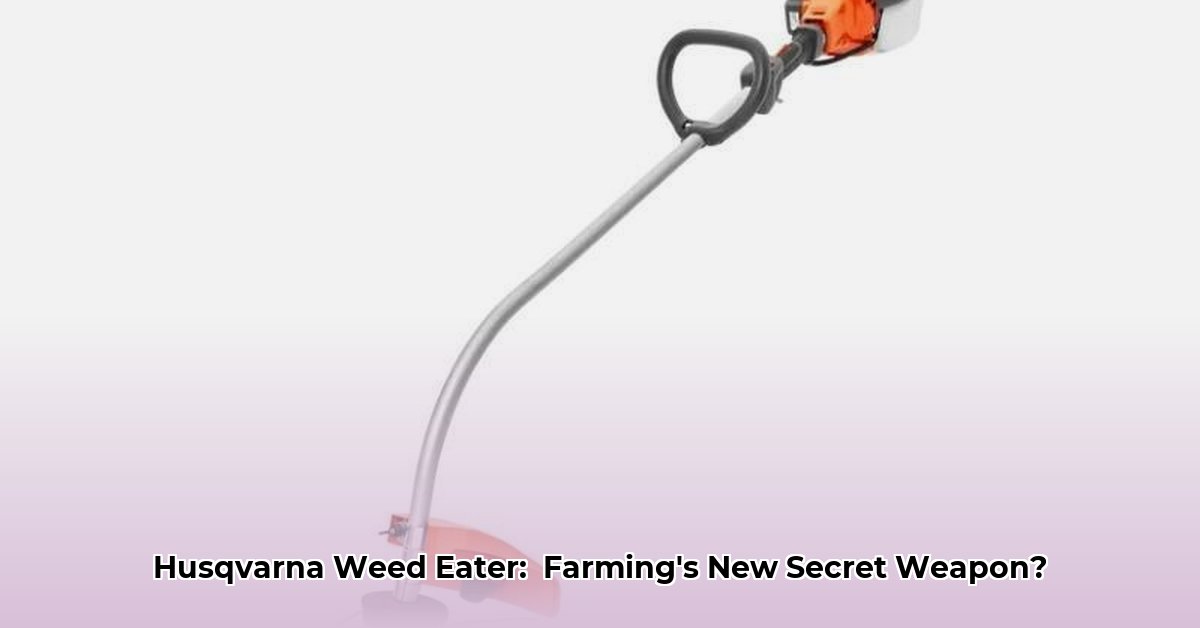
Finding the right tools for sustainable farming is crucial. The Husqvarna HA322 hedge trimmer attachment, available at Tractor Supply, presents itself as a potential solution, but a thorough examination of its sustainability is needed. For more information on Husqvarna products at Tractor Supply, check out this page. This article critically assesses the HA322's environmental impact, considering its efficiency, design, and end-of-life management, to help farmers make informed decisions.
Product Overview: Husqvarna HA322 Hedge Trimmer Attachment
The Husqvarna HA322 is a hedge trimmer attachment designed for compatibility with various Husqvarna trimmer models. Its dual-action blades promise increased trimming efficiency, potentially reducing labor and time spent on weed management. However, crucial information regarding the materials used in its construction, its lifespan, and its end-of-life management remains unclear. This lack of transparency significantly hinders a comprehensive sustainability assessment.
Sustainability Assessment: Weighing the Pros and Cons
The HA322 presents a mixed bag regarding sustainability. While certain aspects suggest potential environmental benefits, significant uncertainties remain.
Potential Advantages:
- Enhanced Efficiency: The increased trimming speed translates to reduced labor and energy expenditure compared to manual methods or less efficient tools. This improved efficiency can contribute to overall farm sustainability.
- Modular Design: Its compatibility with multiple Husqvarna trimmer models promotes a circular economy approach by extending the lifespan of existing equipment instead of necessitating the purchase of entirely new machines. This reduces waste and resource consumption.
Significant Concerns:
- Material Transparency Deficit: The absence of readily available information on the blade's composition (e.g., whether recycled materials are used, percentage of recycled content) prevents a thorough evaluation of its environmental footprint during production.
- Undefined Lifespan and Durability: While marketed as durable, the lack of data on the HA322's expected operational lifespan creates uncertainty about its long-term sustainability. Frequent replacements would negate initial efficiency gains.
- Unclear End-of-Life Management: The absence of information on the recyclability or proper disposal methods for the HA322 raises concerns about potential environmental harm at the end of its operational life. Will it end up in landfills? This uncertainty is a critical factor in judging its overall sustainability.
Comparative Analysis: A Broader Perspective
While a direct comparison with all available alternatives is beyond the scope of this analysis, it's crucial to consider other options. Manual trimming, while less efficient, eliminates the energy use and production emissions of powered tools. Electric trimmers, while potentially using renewable energy, come with their own environmental footprint related to battery production and disposal. A comprehensive sustainability assessment would involve a comparative lifecycle analysis of several options, including the HA322, manual tools, and electric alternatives.
Actionable Recommendations: Bridging the Information Gap
To fully realize the potential sustainability of the HA322, several actions are necessary:
- Demand Transparency: Consumers should actively demand greater transparency from Husqvarna and Tractor Supply regarding the HA322's material composition, manufacturing processes, estimated lifespan, and end-of-life management options.
- Independent Life Cycle Assessments (LCA): Independent research organizations should conduct comprehensive LCAs to quantify the HA322's environmental impact across its entire lifecycle. This would provide the data needed for informed decision-making.
- Sustainable Material Innovation: Husqvarna should invest in research and development to incorporate recycled and more sustainable materials in the production of future HA322 models and similar attachments.
- End-of-Life Solutions: Develop and implement robust recycling or responsible disposal programs for the HA322 to minimize its environmental impact at the end of its operational life.
Conclusion: Sustainability Requires Transparency
The Husqvarna HA322 hedge trimmer attachment presents a paradox: its potential for increased efficiency in farming offers environmental benefits, but crucial information gaps regarding its life cycle hinder a definitive sustainability assessment. Until greater transparency is provided and comprehensive LCAs are conducted, farmers must carefully weigh the potential benefits against the significant uncertainties surrounding its long-term environmental impact. A commitment to transparency and sustainable practices from manufacturers is paramount in the transition to environmentally responsible agriculture.